Nobody watched your last video.
Not because the content was bad. Not because the editing was off. Not because the algorithm hates you.
They swiped before they even knew what it was about.
Your hook failed. That's it. That's the entire diagnosis.
The average TikTok has a completion rate under 30%, and the biggest drop-off happens in the first 2 seconds. Not the middle. Not the end. The very beginning. TikTok, YouTube Shorts, and Reels all use watch time and completion rate as their #1 ranking signal. Bad hook = low retention = algorithm death.
You have roughly 5-8 spoken words before someone's thumb decides to scroll or stay. In that window, your hook needs to do one of three things:
- Create a question they NEED answered
- Promise something specific and valuable
- Trigger an emotion (shock, curiosity, anger, excitement)
If your first 2 seconds don't do at least one of those, you've already lost. Here are 15 formulas that nail this every single time.
15 Proven Hook Formulas That Stop the Scroll
1. The Bold Claim
Formula: Make a statement so big they can't ignore it.
"This one trick got me 1M views in 24 hours."
Why it works: people either want to learn how, or they want to prove you wrong. Either way, they're watching.
The key is specificity. "This helped me grow" is weak. "This got me 47,000 followers in one week" is magnetic.
Don't be vague. Be specific. Be bold. Be slightly unbelievable.
2. The Curiosity Gap
Formula: Hint at something without revealing what it is.
"I can't believe this actually worked."
"I tried the thing everyone said was impossible."
This is the most powerful psychological trigger in short-form content. You're opening a loop in their brain that can only be closed by watching.
The trick? Never give away the answer in the hook. Keep them guessing for at least a few seconds.
3. The Direct Address
Formula: Call out your exact audience in the first sentence.
"If you're struggling to grow on TikTok, stop what you're doing."
"Content creators making under $1,000 a month, listen up."
When someone hears a description that matches them, they physically cannot scroll away. It feels like you're talking directly to them.
The more specific the callout, the better it works.
4. The Controversy Opener
Formula: Lead with an opinion that goes against the mainstream.
"Unpopular opinion: posting daily is killing your account."
"I'm going to say something that most 'gurus' won't."
Controversy is engagement fuel. People either agree passionately or disagree passionately. Both reactions mean they're watching, commenting, and sharing.
Just make sure you can actually back up your claim. Controversy without substance is just clickbait.
5. The Number Hook
Formula: Promise a specific, countable set of things.
"3 things nobody tells you about going viral."
"5 mistakes that are killing your TikTok growth."
Numbers work because they set expectations. The viewer knows exactly what they're getting and roughly how long it will take.
Odd numbers tend to perform slightly better than even ones. 3, 5, 7, and 15 are sweet spots.
6. The Story Tease
Formula: Start a story mid-action to create instant intrigue.
"So my boss just texted me this at 2am..."
"I walked into the meeting and everyone went silent."
Humans are wired for stories. When you drop someone into the middle of one, their brain demands to know what happens next.
This is why formats like fake text stories absolutely dominate on TikTok. The first message on screen IS the hook. You're already in the story before you even decide to watch.
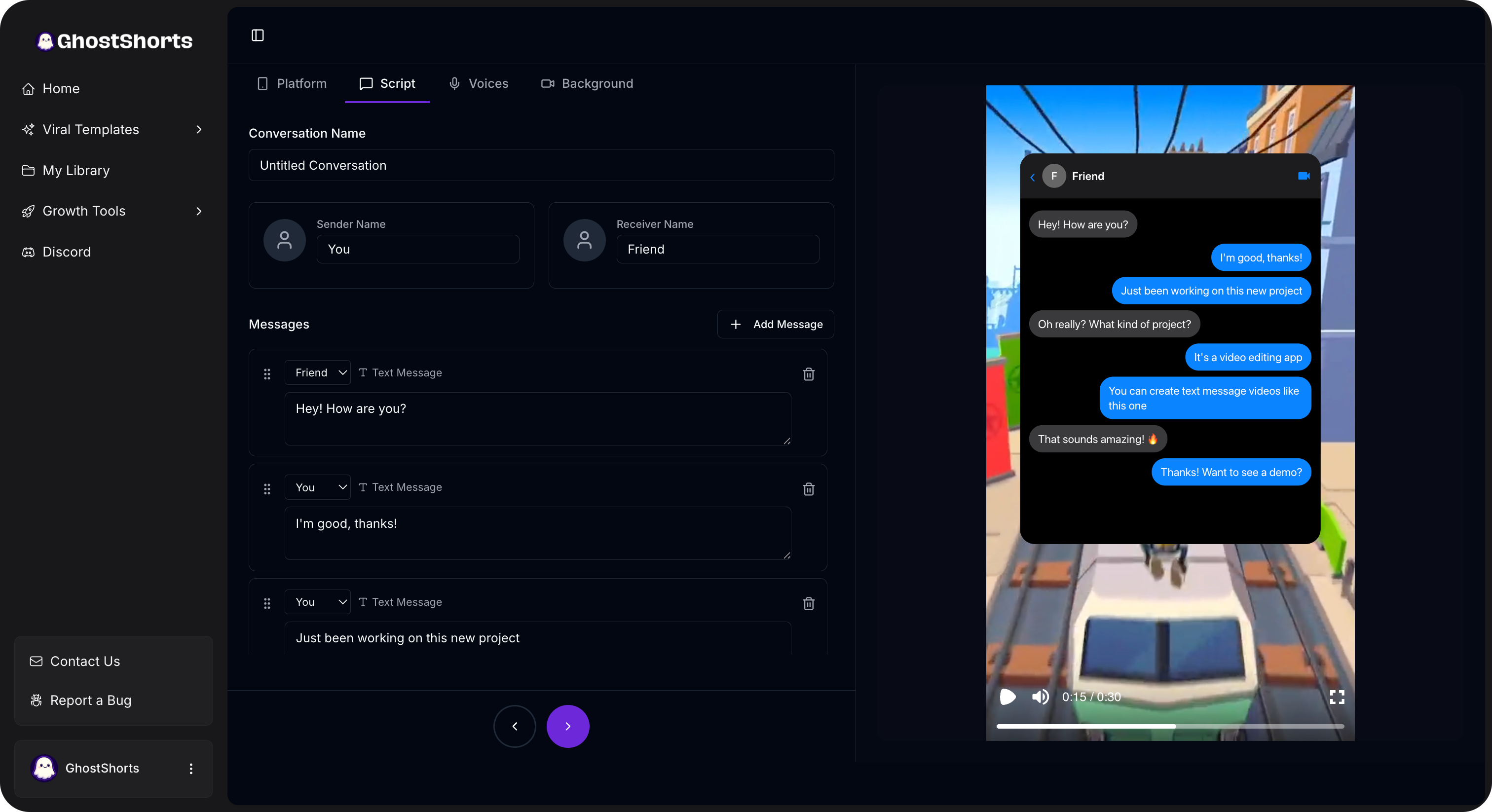
The best part? You don't need to be on camera. The format does the hooking for you.
7. The Before/After
Formula: Promise a transformation they can see with their own eyes.
"Watch what happens when I add this to my morning routine."
"My account before vs. after I changed one thing."
Before/after hooks work because they promise proof. Not just claims, but visible, undeniable results.
This formula works especially well for visual content, tutorials, and growth-related videos.
8. The Mistake Callout
Formula: Tell them they're doing something wrong.
"You're editing your videos wrong. Here's why."
"Stop doing this with your captions. Seriously."
Nobody wants to be doing something wrong. The moment you suggest they are, they need to find out what it is so they can fix it.
This hook triggers a mild anxiety that only watching can resolve. It's incredibly effective.
9. The Social Proof
Formula: Lead with a result that proves credibility.
"This is how I got 500K followers in 90 days."
"The exact strategy behind my first viral video."
Social proof hooks work because they immediately answer the question: "Why should I listen to you?"
If you have real results, lead with them. Numbers, screenshots, visible proof. People trust evidence over advice.
10. The Time Urgency
Formula: Make them feel like they're about to miss something.
"TikTok just changed this and nobody's talking about it."
"This feature is getting removed next week."
Urgency triggers FOMO. If something is new, changing, or disappearing, people feel compelled to learn about it right now.
The word "just" is your best friend here. "TikTok just updated..." feels immediate. It feels like breaking news.
11. The Question Hook
Formula: Ask a question they desperately want answered.
"Why do some videos get 10M views and yours get 200?"
"What's the difference between a viral creator and you?"
Questions are powerful because they force the viewer's brain to start searching for an answer. And the only way to get that answer is to keep watching.
The best question hooks are slightly confrontational. They poke at an insecurity or frustration the viewer already has.
12. The Pattern Interrupt
Formula: Start with something completely unexpected.
This one is different from the rest. It's not about words. It's about breaking the visual or auditory pattern of the feed.
- Start mid-sentence, like you've been talking for a while
- Open with a loud noise or sudden movement
- Begin with something visually strange or out of context
The scroll is rhythmic. When something breaks that rhythm, the thumb stops.
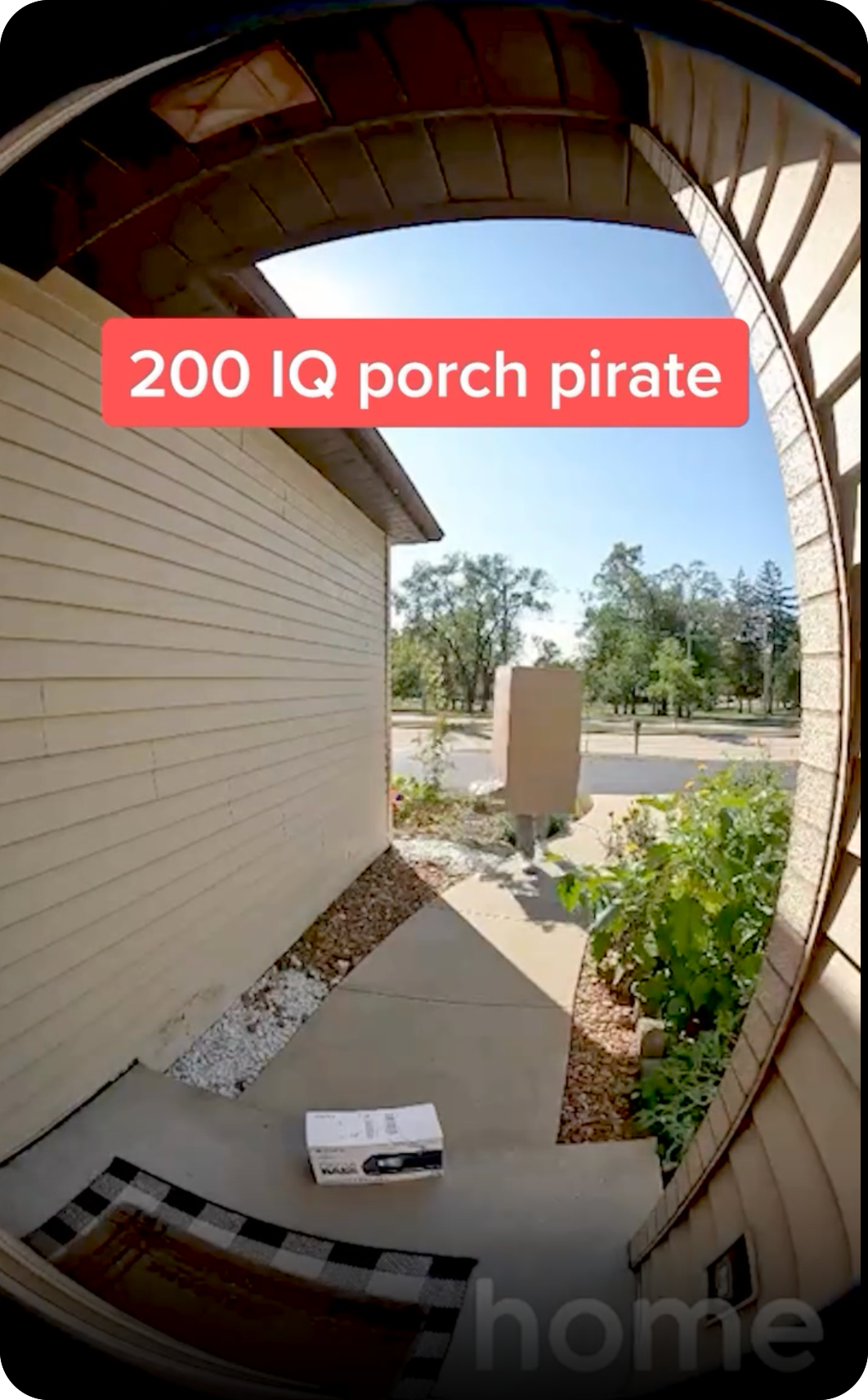
This is also why rage bait content performs so well. The visual is so unexpected, so deliberately "wrong," that people can't help but stop and react.
13. The "Don't Do This" Hook
Formula: Tell them to stop doing something popular.
"Stop using trending sounds. Here's why."
"Don't post at 'peak times.' It's a trap."
This is a twist on the controversy opener, but more specific. You're taking a well-known "best practice" and telling people it's wrong.
It works because it challenges something they believe. And challenged beliefs demand resolution.
14. The Relatable Pain
Formula: Name a frustration they're currently feeling.
"Every creator hits this wall at 1,000 followers."
"You've been posting for 6 months and still getting 200 views. I get it."
Empathy is a hook. When someone names your exact pain, you feel seen. And when you feel seen, you trust the person enough to keep watching.
This formula is especially powerful for educational and advice content. Lead with the pain, then deliver the solution.
15. The Secret/Insider
Formula: Promise hidden knowledge that most people don't have.
"The algorithm trick that 99% of creators don't know."
"I got this from a friend at TikTok. Don't share this."
Exclusivity is addictive. If you frame your information as secret or insider knowledge, it immediately feels more valuable than a regular tip.
The "99% don't know" phrasing is overused, but it still works. Just make sure the actual information delivers on the promise.
Want to skip the editing?
GhostShorts turns your ideas into viral shorts with AI voiceovers, captions, and gameplay clips. Ready to post in minutes.
Try GhostShorts TodayHow to Test Your Hooks
Here's where most creators mess up.
They write one hook, post the video, and if it flops, they assume the content was bad.
No. The content might be great. The hook might just suck.
Here's how you actually test:
Post the same content with different hooks. Take one video. Change only the first 2-3 seconds. Post both versions (on different days or different platforms).
Compare the retention graphs. If one version has 50% retention at the 3-second mark and the other has 25%, you now know exactly which hook is stronger.
A/B testing hooks is the single highest-leverage thing you can do for your growth. Most creators never do it because it feels like "wasting" content. It's not. It's the smartest content strategy that exists.
Keep a swipe file of hooks that worked. Every time a video performs well, save that hook formula. Over time, you'll build a personal playbook of what resonates with YOUR audience. Running low on content ideas to test hooks on? Try our free Video Ideas Generator to get fresh concepts for any niche.
Visual Hooks vs. Text Hooks vs. Audio Hooks
Not all hooks are spoken words. There are actually three types working together.
Visual hooks are what the viewer sees first. A striking image. A weird setup. Text on screen that creates a question. Movement. Color contrast. Something that looks "off."
Text hooks are the words that appear on screen, usually as auto-captions or a text overlay in the first frame. These are critical because many people scroll with sound off. If your hook only works with audio, you're losing a huge chunk of your audience.
Audio hooks are the first words spoken or the first sound played. A dramatic tone shift. A whisper. A shout. A sound effect that doesn't match the visual.
The best-performing videos use all three simultaneously.
Visual: something eye-catching on screen. Text: a compelling line of text or caption. Audio: a voice or sound that reinforces the hook.
When all three layers align, the viewer is locked in from three different angles. That's incredibly hard to scroll past.
Why Some Formats Have Hooks Built In
Here's something interesting.
Some of the most viral content formats on TikTok and Shorts don't require you to "write" a hook at all. The format IS the hook.
Fake text stories are a perfect example. When someone sees a text conversation on screen, their brain automatically starts reading. The first message creates instant curiosity. "Why is this person texting this?" You're hooked before you even realize you've stopped scrolling.
That's why fake text videos are one of the most reliable formats for new creators. You don't need to master hook-writing. The format does the work.
Reddit story videos work the same way. The post title IS the hook. "AITA for telling my sister she can't bring her dog to my wedding?" You're already invested. You already have an opinion. You NEED to hear the story.
These formats are powerful because they remove the hardest part of content creation, which is getting someone to stop and pay attention.
If you're struggling with hooks, start with a format that has them baked in. Build your audience first. Then branch out into formats that require stronger hook-writing skills.
The Hook Checklist
Before you post your next video, run through this:
- Does it create a question in the first 2 seconds? If the viewer isn't curious, they're gone.
- Is it specific? Vague hooks don't work. Numbers, names, timeframes, and details are what grab attention.
- Does it work on mute? If your hook relies only on audio, add text on screen.
- Would YOU stop scrolling for this? Be honest. If the answer is no, rewrite it.
- Does it match the content? A great hook that doesn't match the video creates a worse outcome than no hook at all. People will feel tricked and swipe even faster next time.
One Last Thing
The best hook in the world won't save bad content. But bad hooks will absolutely destroy great content.
Spend 80% of your creative energy on the first 2 seconds. That might sound extreme. It's not. It's the reality of short-form video in 2026.
Every viral creator you admire figured this out. They didn't get lucky. They got really, really good at making people stop scrolling.
Now it's your turn.
Start with one formula from this list. Test it on your next 5 videos. Track what happens. Then try another formula. And another. If you want a head start, our free TikTok Hook Generator will write scroll-stopping hooks for you in seconds.
Within a few weeks, you'll have an instinct for what hooks work for your niche, your audience, and your style.
And that instinct? That's the real difference between creators who grow and creators who quit.
Stop blaming the algorithm. Start fixing your hooks.