
You didn't get shadowbanned.
Your video wasn't "suppressed." TikTok isn't out to get you. The algorithm isn't broken. It showed your content to a few hundred people. And those people didn't care enough to keep watching.
That's the system working exactly as designed. TikTok's algorithm is the most sophisticated content distribution machine ever built. It doesn't play favorites. It doesn't care how many followers you have. It doesn't care if your last video got a million views.
It only cares about one thing: does this specific video keep people on the app?
If yes, it gets pushed to more people. If no, it dies. Simple. Brutal. Fair.
Once you understand how this actually works, you'll stop guessing and start making videos the system genuinely wants to push.
How TikTok Actually Distributes Videos (The Batch Testing System)
Here's where it gets interesting.
TikTok doesn't just throw your video out to the world and see what happens. It runs a structured testing process. Think of it like auditions, where each round is harder than the last.
Batch 1: The First Test (200-500 People)
The moment you hit publish, TikTok shows your video to a small group. Usually 200 to 500 people.
Who are these people? It depends on a few things:
- Your hashtags (TikTok uses these to categorize your content)
- The sound you used (sounds have their own audience pools)
- Your account history (what topics you've posted about before)
- Your existing followers (a small percentage see it first)
This first batch is everything. If these 200-500 people watch your whole video, rewatch it, share it, comment on it, you move to the next round.
If they scroll past after 2 seconds? Game over.
Batch 2: The Expansion (1,000-5,000 People)
You passed the first test. Now TikTok widens the net.
Your video gets shown to 1,000 to 5,000 people. These aren't random. TikTok picks users whose behavior patterns match the people who engaged in Batch 1.
The same metrics apply. Watch time. Shares. Comments. Rewatches.
The bar is higher now because the audience is less targeted. You need to hold attention from people who don't already follow you or know your niche.
Batch 3: Real Momentum (10,000-50,000 People)
This is where you start to feel it. Notifications blowing up. View count climbing fast.
At this stage, TikTok is confident your content works. It's pushing it to an even broader audience across more interest categories.
Your video is being shown to people who might not typically watch content in your niche, but whose behavior suggests they'd enjoy it.
Viral Territory: 100K-1M+
If you're still performing at Batch 3, things go exponential.
TikTok starts pushing your video across regions, languages, and demographics. This is where you wake up to 500K views on a video you posted at midnight.
Each batch is a test. Pass or fail. There's no "kind of" going viral. You either clear the threshold or you don't.
The beautiful thing? This happens for every single video. A brand new account with zero followers can hit Batch 4 on their first post. It's happened thousands of times.
The 5 Signals TikTok Measures (Ranked by Importance)
Not all engagement is equal. TikTok weighs different signals differently, and most creators focus on the wrong ones.
Here's the actual ranking:
1. Watch Time / Completion Rate (THE Most Important Signal)
This is the king. The one metric that matters more than everything else combined.
TikTok's entire business model is keeping people on the app. If your video keeps people watching until the end, you're directly contributing to that goal.
Completion rate is the percentage of viewers who watch your entire video. The higher this number, the more TikTok pushes your content.
Some real numbers to put this in perspective:
The average TikTok completion rate sits around 52%. Videos that consistently hit 70%+ get significantly more distribution.
Certain formats crush this metric. Fake text videos, for example, average a 78% completion rate because the conversational format creates a "what happens next" loop that's almost impossible to scroll away from.
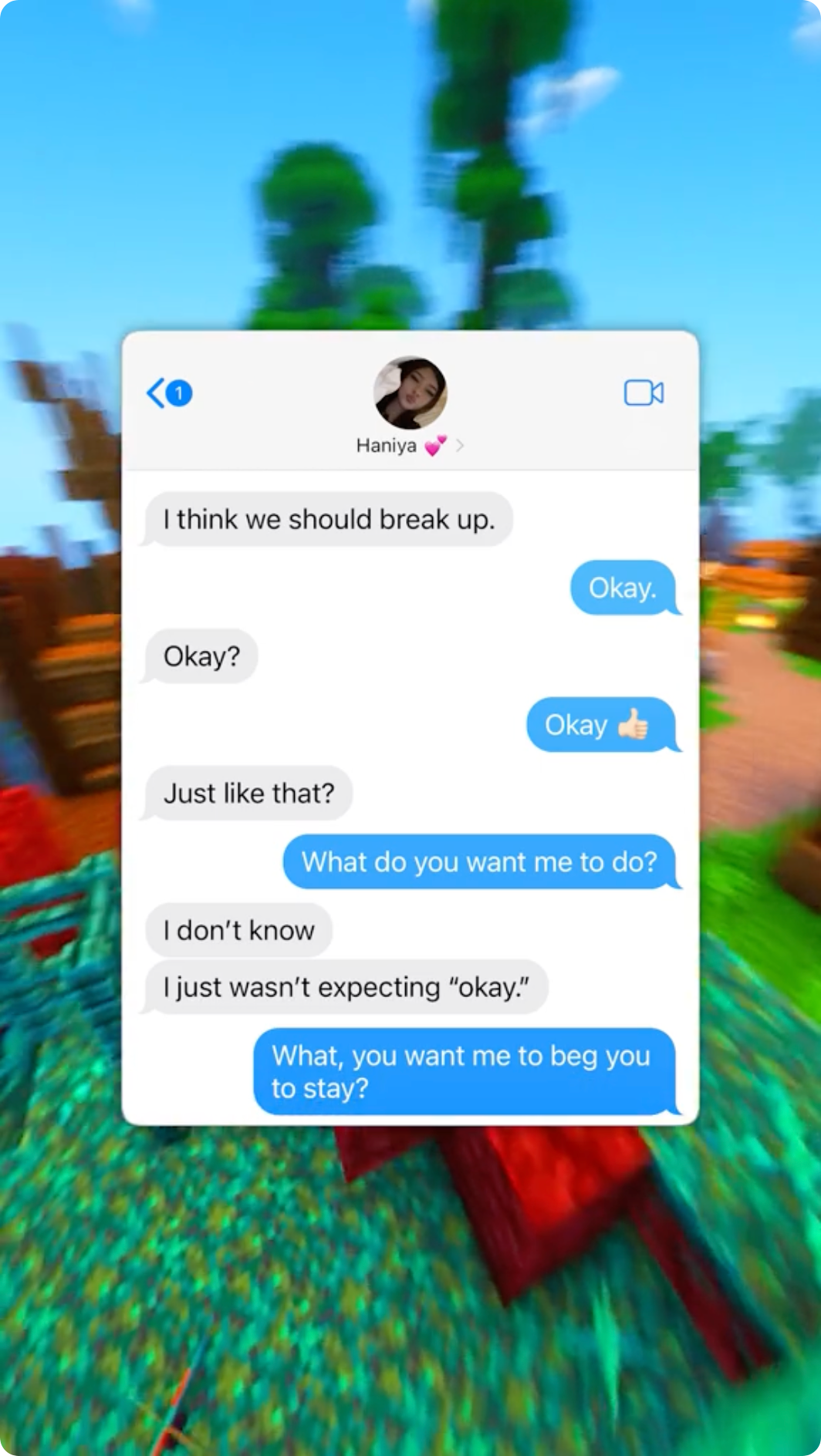
This is why storytelling formats dominate TikTok. Reddit story videos, text message conversations, "Part 1 of 3" series. They all exploit the same psychological trigger: curiosity.
You can also use a TikTok Hook Generator to nail those first 1-2 seconds, because if people don't stay past the hook, your completion rate tanks.
2. Rewatches (Rocket Fuel)
When someone watches your video twice, TikTok notices. When they watch it three times? TikTok goes crazy.
Rewatches signal that your content has density. There's something worth catching again. Maybe it's a detail people missed. Maybe the punchline hits harder the second time. Maybe the information is so useful they need to absorb it again.
Videos with high rewatch rates often go viral even with modest initial engagement. It's that powerful of a signal.
How to trigger rewatches:
- Put a twist at the end that recontextualizes the beginning
- Hide a detail that people will go back to spot
- Make tutorials that are genuinely packed with info
- Use rage bait hooks that make people rewatch to confirm what they saw
3. Shares (Especially DM Shares)
Here's something most creators don't know.
Not all shares are equal. TikTok values DM shares (when someone sends your video directly to a friend) far more than shares to other platforms.
Why? Because a DM share means someone thought your video was so good they personally sent it to someone they know. That's the strongest form of endorsement.
Public shares to Instagram or Twitter? Those matter less. TikTok wants engagement that stays on TikTok.
Videos that generate DM shares tend to be:
- Relatable ("omg this is literally us")
- Useful ("you need to see this")
- Controversial ("look at what this person said")
- Hilarious ("I can't stop watching this")
4. Comments (The Algorithm Loves Active Comment Sections)
Comments are a strong signal, but here's the nuance. It's not just about volume. It's about comment engagement.
TikTok tracks:
- How many people comment
- How long the comments are
- Whether people reply to each other's comments
- Whether the creator replies to comments
- How quickly comments come in after posting
A video with 50 thoughtful comments and active discussion performs better than a video with 200 "nice" or emoji comments.
This is why controversial hooks and rage bait work so well for the algorithm. They generate long, passionate comment sections where people argue, debate, and reply to each other.
Pro tip: Reply to every comment in the first hour after posting. This doubles your comment count and signals to TikTok that the comment section is active.
5. Follows From Video (High Value Content Signal)
When someone watches your video and then follows your account, TikTok interprets this as: "this creator provides enough value that someone wants to see more."
It's a strong signal, but it's ranked last because it happens less frequently than the others. Most people engage with content without following.
To maximize profile visits and follows:
- Create series content ("Part 1, Part 2...") that makes people want to see the next one
- Use top 5 list formats that showcase your niche expertise
- End videos with a tease of what's coming next
- Have a clear, niche-focused profile
The Big Misconception: Likes Are Nearly Useless
Everyone obsesses over likes. But here's the truth:
Likes are the least important engagement signal on TikTok.
Why? Because everyone likes things. It's a passive action. You double-tap while scrolling and never think about it again. There's no friction, no intent, no effort.
Compare that to a share, where someone actively chooses to send your video to another person. Or a comment, where someone takes the time to type something.
Likes tell TikTok almost nothing about the quality of your content. Stop tracking them. Focus on watch time, shares, and comments instead.
Want to skip the editing?
GhostShorts turns your ideas into viral shorts with AI voiceovers, captions, and gameplay clips. Ready to post in minutes.
Try GhostShorts TodayWhy Some Videos Blow Up Days or Weeks Later
You've seen this happen. A video gets 400 views in the first 24 hours. You move on. Then two weeks later, it suddenly has 200K views.
What happened?
TikTok retests old content.
The algorithm doesn't just test your video once and forget about it. It periodically resurfaces older content and re-evaluates it with new audience segments.
This usually happens when:
- A sound or hashtag you used starts trending
- TikTok identifies a new audience segment that matches your content
- Your account grows and TikTok re-evaluates your back catalog
- A new video performs well, and TikTok pushes related older content from your profile
This is the "delayed viral" phenomenon, and it's one of the most unique things about TikTok compared to other platforms. On Instagram or YouTube, old content rarely gets a second chance. On TikTok, every video is potentially one retest away from blowing up.
This is why you should never delete underperforming videos. More on that later.
How the For You Page Actually Works
The For You Page isn't random. It feels random because it's so good at predicting what you want to see. But behind the scenes, it's an incredibly precise feedback loop.
Here's how it works:
Step 1: TikTok shows you a video based on your past behavior (what you've watched, liked, shared, commented on, and how long you watched).
Step 2: It watches how you react. Did you watch the whole thing? Skip after 1 second? Share it? Visit the creator's profile?
Step 3: Based on your reaction, TikTok adjusts what it shows you next. Watched a cooking video all the way through? Here's another one. Skipped a dance video? Fewer of those.
Step 4: This happens thousands of times per session, constantly refining what TikTok thinks you want to see.
The result? Every person's For You Page is completely unique. Two people in the same house, same age, same interests, will see completely different content because their micro-behaviors (how long they pause on a video before scrolling, what time of day they browse, whether they read comments) create unique behavioral fingerprints.
For creators, this means something important: you don't need to appeal to everyone. You just need to appeal to a specific behavioral cluster. TikTok will find those people for you.
Use the Best Time to Post tool to figure out when your specific audience cluster is most active.
Content Types the Algorithm Favors in 2026
The algorithm isn't static. What worked in 2023 doesn't necessarily work now. Here's what TikTok is actively pushing in 2026:
Longer Videos (1-3 Minutes)
TikTok has been pushing longer content for over a year now, and the reason is simple: the Creativity Program.
The Creativity Program (which replaced the Creator Fund) pays creators based on qualified views on videos over 1 minute. TikTok wants creators making longer content because:
- Longer videos = more ad inventory
- Longer watch sessions = more time on app
- Longer content = competing with YouTube
If you're still making 7-second videos, you're leaving money on the table and getting less algorithmic push.
The sweet spot right now? 90 seconds to 2 minutes. Long enough to qualify for the Creativity Program. Short enough to maintain high completion rates.
Series Content
TikTok introduced a "Series" feature, and the algorithm heavily favors creators who use it.
When you post Part 1, Part 2, Part 3 of a series, TikTok:
- Shows Part 2 to people who watched Part 1
- Boosts Part 1 when Part 2 is posted (so new viewers can start from the beginning)
- Rewards consistent posting patterns
This is huge for retention. People who watch your series become loyal followers, not just one-time viewers.
Original Sounds
Using trending sounds still works. But TikTok has been increasingly rewarding creators who use original audio.
Original sounds make your content unique, reduce competition (you're not fighting 50,000 other videos using the same sound), and position you as a creator rather than a trend follower.
This doesn't mean you need professional audio. Your voice, your own background music, or even just natural ambient sound counts as original audio.
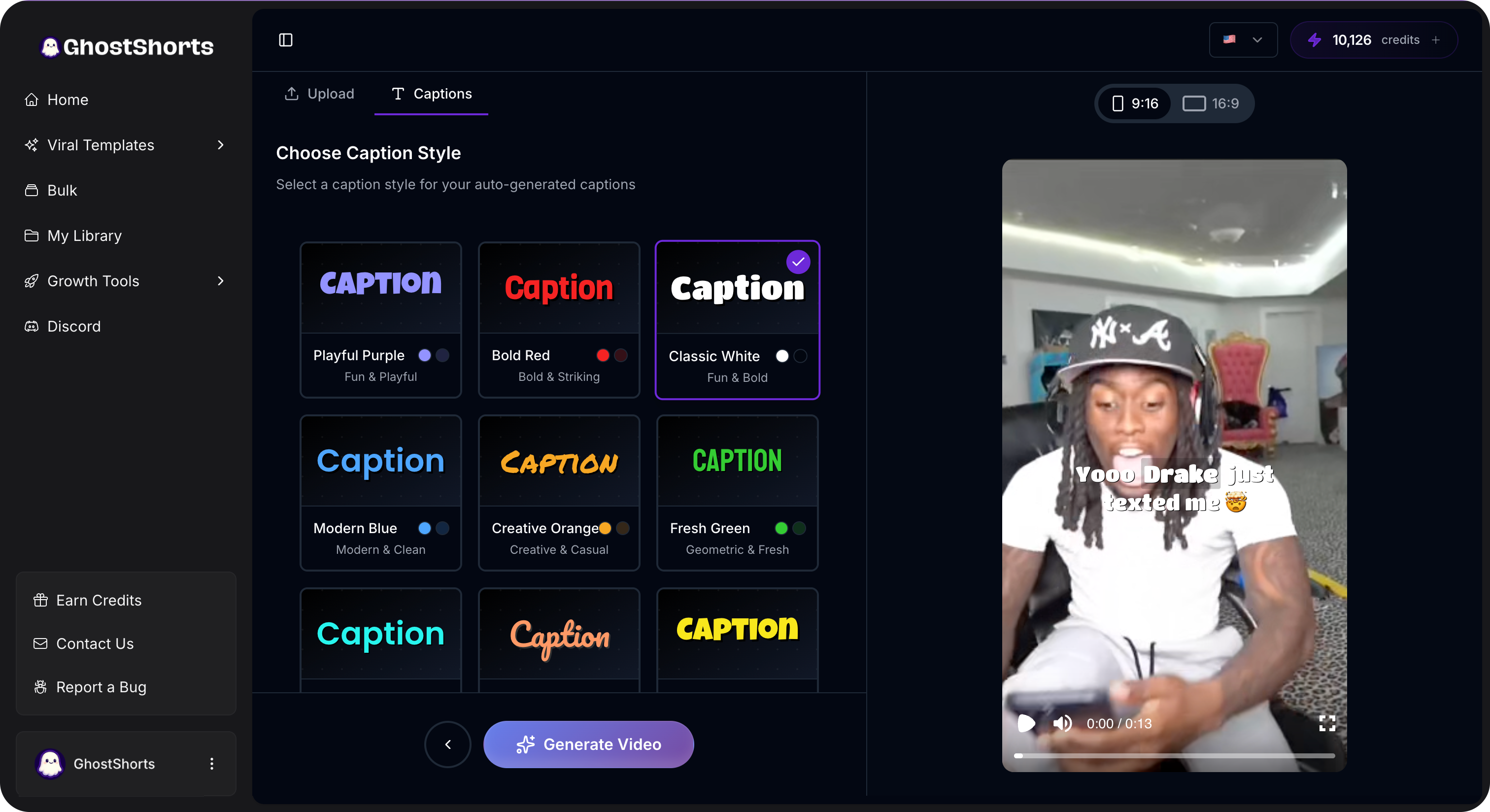
If you're using original audio, make sure to add auto captions to your videos. Most TikTok users watch without sound, and captions ensure they still engage with your content, keeping that completion rate high.
What Actually Kills Your Reach
Let's separate fact from fiction.
Shadowban Myths vs. Reality
Myth: TikTok shadowbans accounts for posting too much. Reality: TikTok has never confirmed shadowbanning exists. What most people call a "shadowban" is just consistently underperforming content.
Myth: Using certain hashtags gets you shadowbanned. Reality: No hashtag will get your account suppressed. Hashtags only affect which audience pool you're initially tested with.
Myth: TikTok suppresses accounts that link to external websites. Reality: TikTok does reduce distribution for videos with direct calls to action that send people off-platform, but this isn't a shadowban. It's just lower engagement because people leave the app.
The real "shadowban" is almost always one of two things: your content quality dropped, or you changed niches and confused the algorithm.
Deleting Videos (Don't Do It)
Remember the "delayed viral" phenomenon? Every video you delete is a video that can never be retested.
Some creators delete underperforming videos because they think it "cleans up" their profile. All it does is remove potential future viral content.
The only reason to delete a video is if it contains incorrect information or violates community guidelines. Otherwise, leave it up.
Switching Niches
TikTok builds a profile of your content based on what you post. When you suddenly switch from cooking content to fitness content, the algorithm gets confused.
Your Batch 1 audience is built from your account history. If that history says "cooking," your fitness video gets shown to cooking enthusiasts first. They don't care about fitness. They don't engage. Your video dies.
If you want to switch niches, do it gradually. Mix in new content while still posting your established content. Give the algorithm time to recategorize you.
Posting and Ghosting
This is the biggest reach killer nobody talks about.
You post a video and then close the app. You come back 6 hours later to check the views.
Huge mistake.
The first 30-60 minutes after posting are critical. TikTok is running Batch 1 during this window. If you're active on the app, replying to comments, engaging with other content, TikTok sees your account as active and gives your video a slight boost.
More importantly, replying to comments during this window increases your comment count and signals an active comment section.
Post. Then spend 30 minutes engaging. Every single time.
Practical Takeaways: How to Optimize Every Video
Let's get tactical. Here's your checklist for every video you post:
Before you film:
- Research what's working in your niche using TikTok's search and the Engagement Rate Calculator
- Write your hook first. The first 1-2 seconds determine everything.
- Plan for a 60-120 second video (Creativity Program sweet spot)
While editing:
- Front-load the most compelling visual or statement
- Add captions (80% of users watch without sound)
- Use pattern interrupts every 3-5 seconds (zoom, cut, text pop-up)
- End with a question or call-to-action that drives comments
When posting:
- Use 3-5 relevant hashtags (not 30 random ones)
- Write a caption that adds context or asks a question
- Post when your audience is active, not just when you feel like it
- Use an original sound when possible
After posting:
- Stay on the app for 30-60 minutes
- Reply to every comment
- Engage with content in your niche (this trains the algorithm on your account category)
- Don't check views obsessively. Give it 24-48 hours for a real read.
The mindset shift:
Stop thinking about the algorithm as your enemy. It's your distribution partner. Every feature of the algorithm is designed to find videos that keep people watching and push them to more people.
Your job isn't to "hack" the algorithm. Your job is to make content so good that the algorithm can't help but push it.
That means better hooks. Higher production value. More engaging storytelling. Formats that naturally drive completion rate.
Tools like Ghost Shorts exist specifically to help you create these high-performing formats, from fake text conversations with built-in completion rate advantages to auto-captioned content that keeps sound-off viewers engaged.
The algorithm isn't complicated. Make videos people want to watch until the end. Do it consistently. The rest takes care of itself.
Now stop reading and go post something.