The complete guide tobible story videos
Learn why scripture retellings hold attention, which category fits your channel, how to make a video step by step, and how to grow a faith channel.
Why bible story videos work
A bible story short retells one scripture account as a sequence of painted scenes with a warm narrator over them. The viewer usually knows how it ends, and that is the point: the pull comes from seeing a familiar moment unfold beat by beat, the sea, the giant, the road home, instead of hearing it summarised.
The drama is already in the text. A good retelling stays close to the account's own order and outcome, adds sensory colour (the dust, the crowd, the light), and holds back the turn until the last line. That restraint is what separates a moving retelling from a sermon.
Faith content also has a loyal, recurring audience. Viewers who find a channel that treats the text with care tend to come back for the next account, which is why faith channels build libraries one passage at a time.
Types of bible story videos and which category to use
AI Bible Story has six categories. You pick one on the first screen as the Style, and it steers how the account is told and how the scenes are painted.
Bible story shorts made with GhostShorts
Three accounts our creators retell, and why each one works.
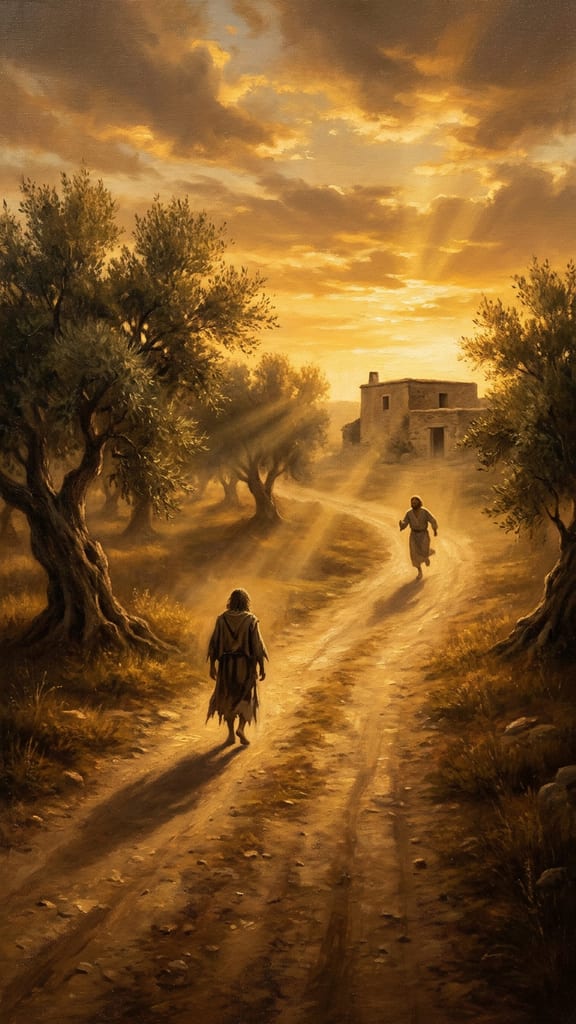
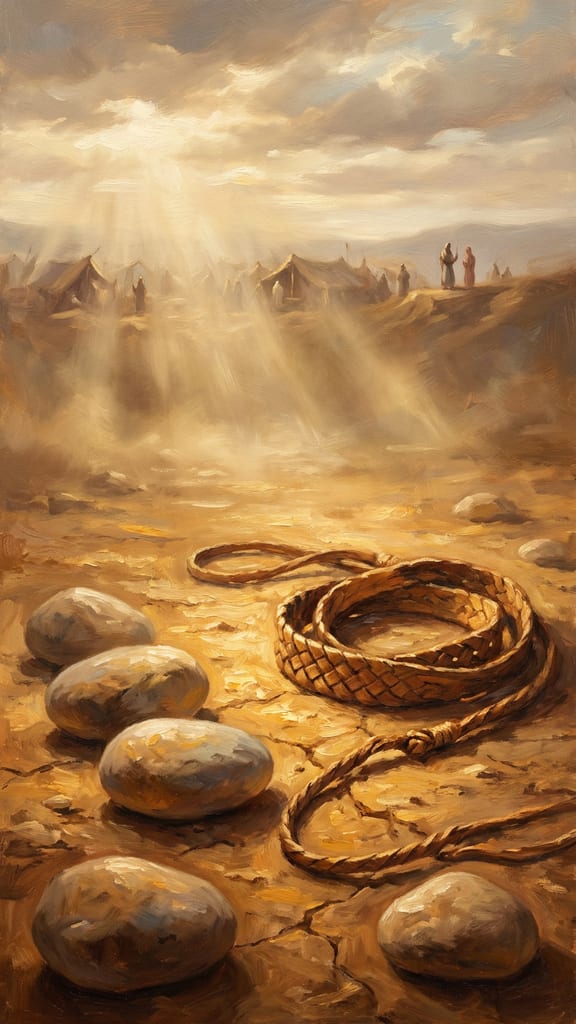
| Category | What it covers | Example account |
|---|---|---|
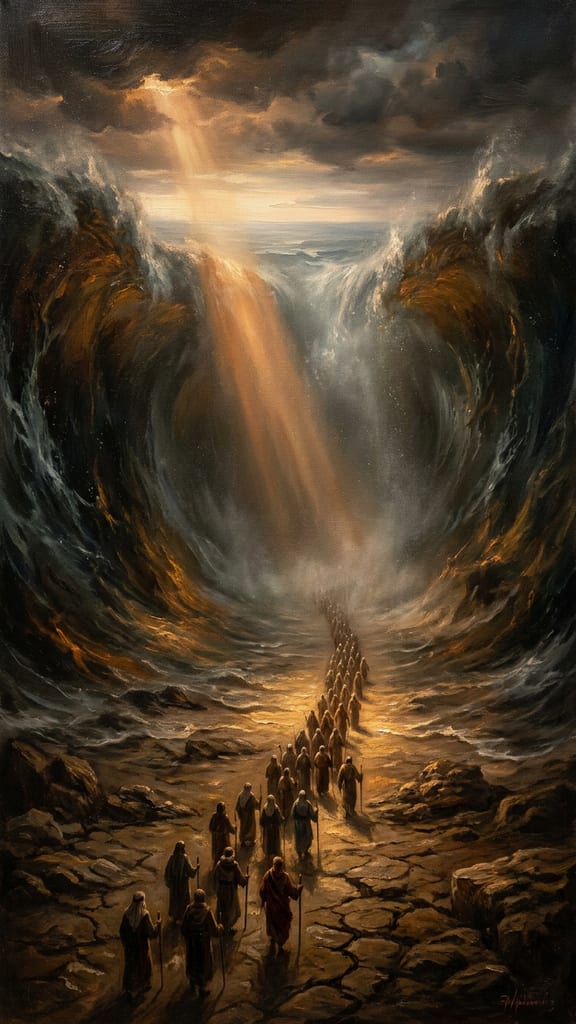
| Old Testament Epics | The great accounts: exodus, flood, kings and giants | Moses and the parting of the Red Sea |
| Parables of Jesus | Small stories that turn on one surprising line | The parable of the prodigal son |
| Miracles | Bread multiplied, storms stilled, the blind seeing | Jesus feeds the five thousand |
| Heroes of Faith | People who held on when everything argued against it | David faces Goliath |
| Psalms & Wisdom | Quiet, reflective lines built for slow scenes | Psalm 23: The Lord is my shepherd |
| Creation & Beginnings | The first pages: light, garden, flood and covenant | The seven days of creation |
Epics are the most familiar set pieces, so they make strong first videos. Psalms and wisdom suit a slower, reflective channel; parables suit a teaching channel.
How to Make a Bible Story Video with GhostShorts
Six steps in the app, from the passage to the finished video. Click any screenshot to see it full size.
- 1Name the passage
- 2Generate the storyboard
- 3Animate scenes
- 4Narration and music
- 5Captions
- 6Transitions and render
- CategoriesSix, from epics to psalms
- Length30, 45 or 60 seconds
- Scenes5 to 14, one narrated line each
- Script language16 languages, picked on the first screen
- NarratorOne AI voice for the whole retelling
- CaptionsWord by word, style and position you pick
- ExportVertical 1080x1920 MP4
How long should a bible story video be?
You pick the length before the script is written, and it sets the number of scenes. Each scene is one painted picture with one line of narration.
- 30 seconds5 to 7 scenesOne moment and its turn. A psalm or a single miracle.
- 45 seconds8 to 10 scenesRoom for a build-up. Most parables fit here.
- 60 seconds11 to 14 scenesFor an epic with a journey: an exodus, a flood, a battle.
Fitting the account to the length
- Pick the moment, not the bookA whole book will not fit in a minute. Choose the one scene that carries it: the sea opening, not all of Exodus.
- Split long accounts into partsJoseph, Moses or David can each run as a series. End every part on the question the next one answers.
Can You Post and Monetize Bible Story Videos?
The videos you export are yours to post and monetize. YouTube and TikTok both ask creators to label AI-generated content, and both have a toggle for it at upload. Practical guidance, not legal advice: check each platform's current terms.
Getting paid
Each platform has its own bar.
- YouTube: 1,000 subscribers plus 4,000 watch hours or 10M Shorts views in 90 days
- TikTok Creator Rewards pays only for videos over one minute
- A steady series beats one-off uploads
How the script is written
What the retelling will and will not do.
- Faithful to the account’s own beats, order and outcome
- Non-denominational: no doctrine, no creeds, no modern politics
- Violence is reported, never shown in detail; no face of God
Making bible videos by hand vs GhostShorts
By hand, a bible short means writing a retelling, finding or commissioning artwork for every beat, recording narration and syncing captions in an editor. Here is how the two compare.
| Step | By hand | GhostShorts AI Bible Story |
|---|---|---|
| Script | Write the retelling scene by scene | Written from your passage, split into scenes |
| Artwork | License paintings or stock images that rarely match | A painted still for every scene, regenerate any one |
| Motion | Pan and zoom each image in an editor | Animate the scenes you choose |
| Voiceover | Record yourself or hire a narrator | One AI narrator for the whole retelling |
| Captions | Sync by hand or use a separate tool | Word-level captions timed to the narration |
The time you save goes into what grows a faith channel: choosing the right passages, checking the text, and posting on a steady schedule.
Tips for growing a bible story channel
The faith channels that grow treat the text with care and post on a rhythm.
Open on the moment
“The water stood up like a wall” beats “Today we look at the book of Exodus.” Start where the story turns.
Name the passage
Put the book and chapter in the title or description, so viewers can read it for themselves.
Build a series
Run one figure or one book across several parts. Series give viewers a reason to come back.
Keep one tone
Stay in one category per channel at first, so the platforms and your viewers know what you post.
Post around the calendar
Easter, Christmas and Sunday mornings are natural moments for faith content; plan accounts for them early.
Cross-post everywhere
Post to YouTube Shorts, TikTok and Reels; performance varies by platform. For another narrated format, try stickman story videos.