The complete guide toAI dark history videos
Learn why forgotten history makes gripping shorts, which category fits your channel, how to make a video step by step, and how to grow a history channel while keeping the facts straight.
Why dark history shorts work
The best history shorts start with something that sounds impossible and turns out to be on the record: a city that danced for weeks, a ship found with every lifeboat still hanging, a fog that killed thousands. The viewer stays because they need to know how it could have happened.
It works because it is true. A made-up mystery is a story; a documented one is a fact the viewer can repeat, look up and share. That is also why accuracy matters more here than in any other story format.
History is evergreen. An episode from 1518 is as watchable next year as it is today, so every video keeps earning long after it is posted, and the past never runs out of material.
Dark history categories that get views
AI Dark History has six categories. You pick one on the first screen and it steers the kind of episode, the narration and the look of the pictures.
AI dark history videos made with GhostShorts
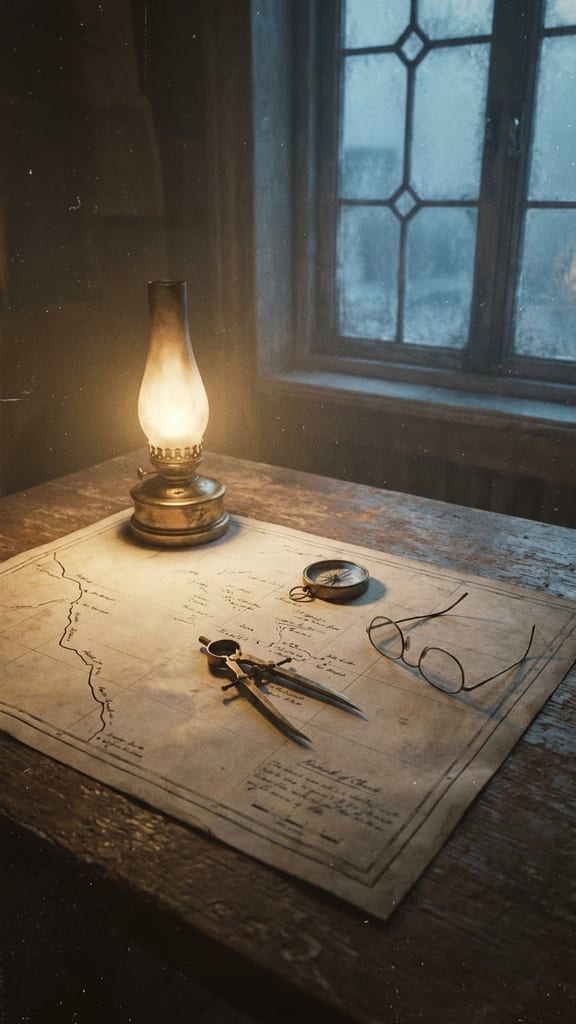
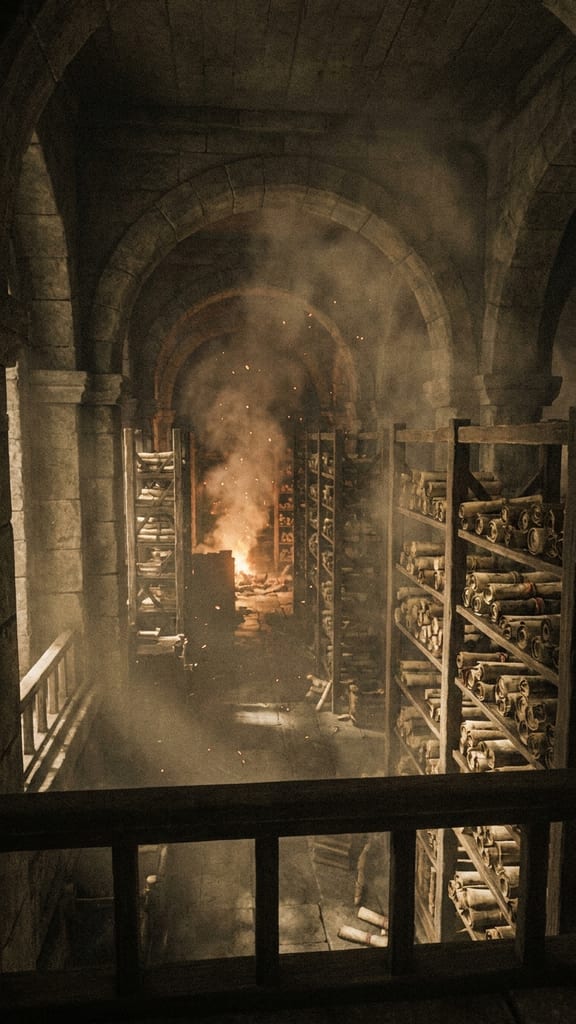
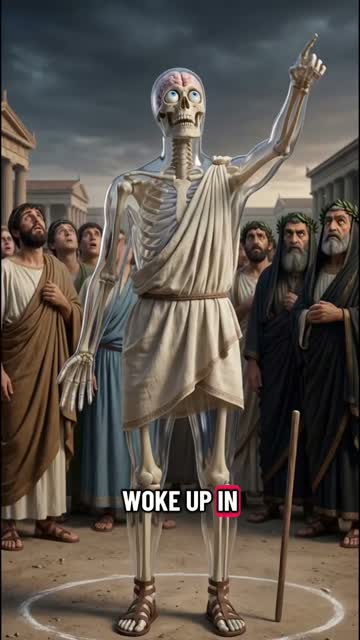
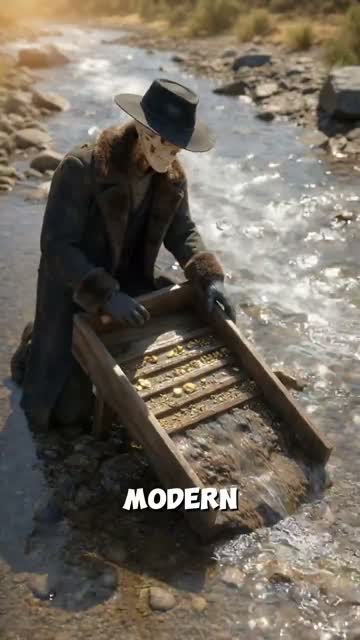
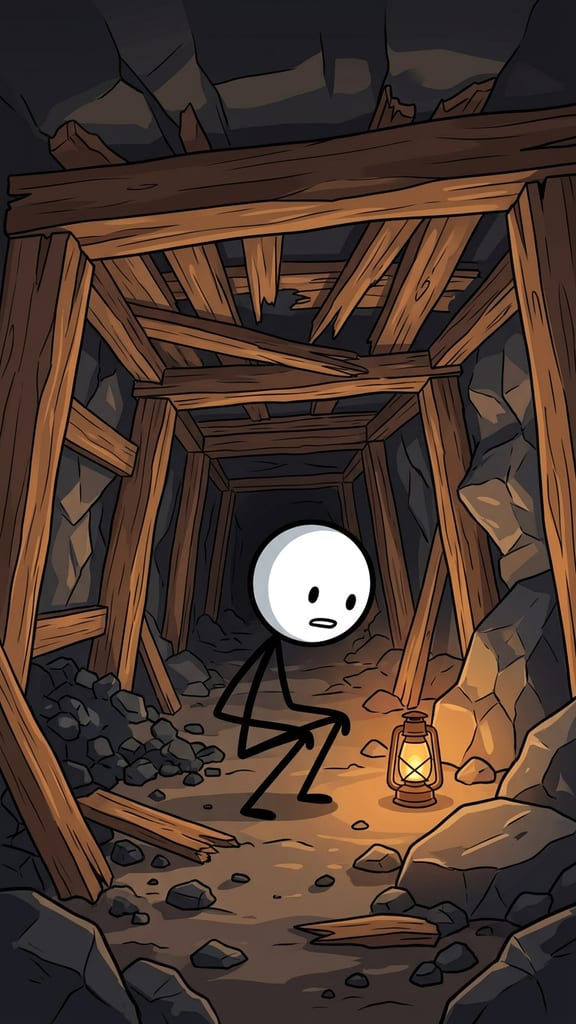
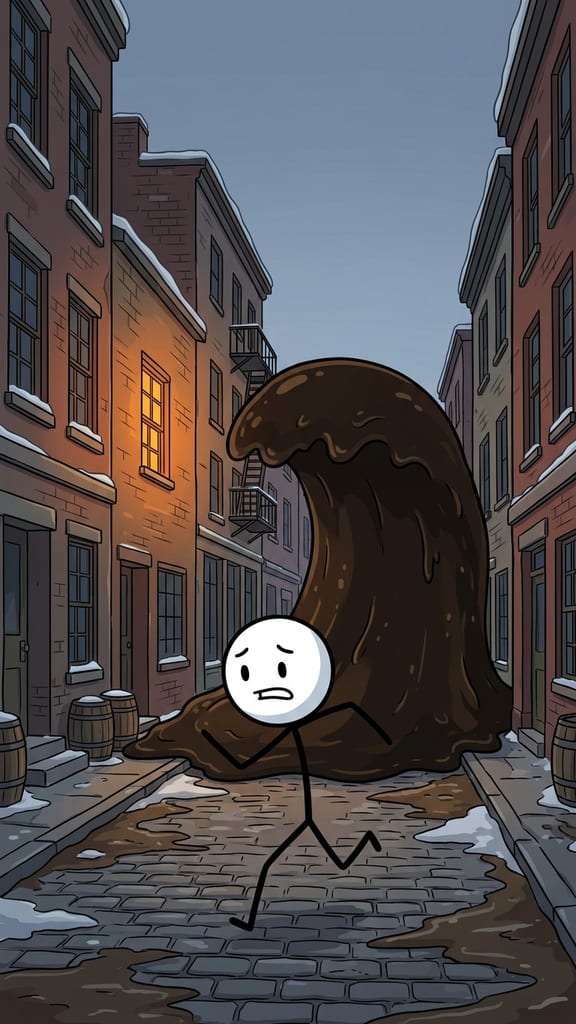
Pictures from the dark history template.
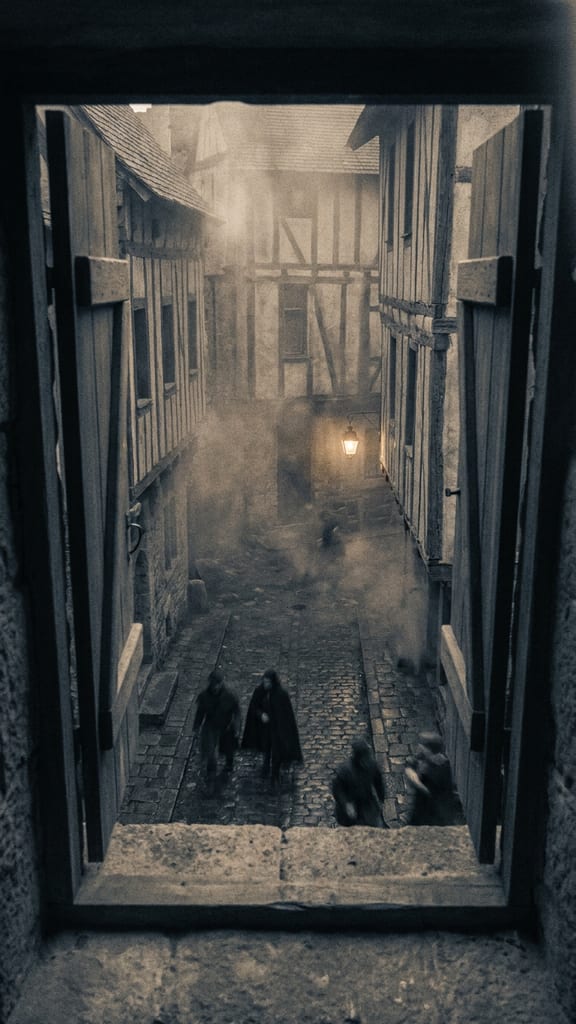
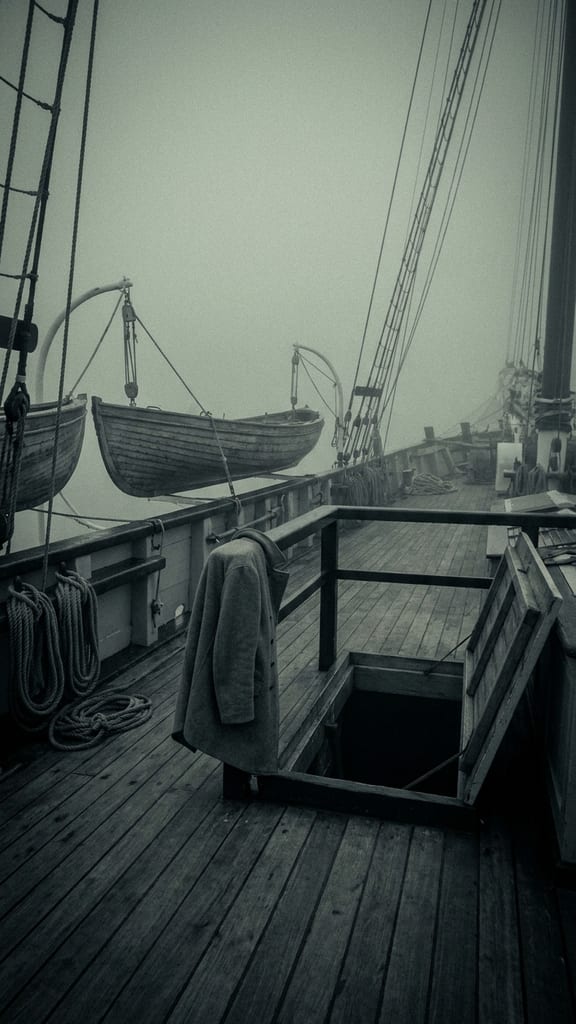
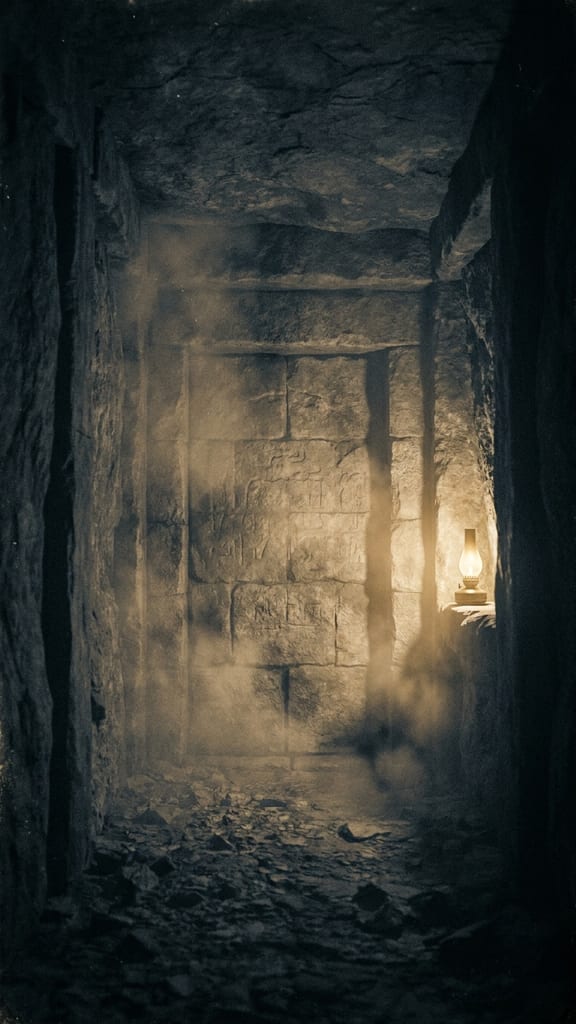
| Category | What it covers | Example hook |
|---|---|---|
| Unsolved Mysteries | Disappearances and ciphers the record never closed | Every lifeboat still hung in its davits |
| Forgotten Disasters | Catastrophes that reshaped a city and left the textbooks | The harbour froze and the relief ships never came |
| Ancient Secrets | Lost cities, sealed tombs and technology we cannot rebuild | The door had not been opened in three thousand years |
| Wartime Untold | The episodes the official histories left out | The snow came down and covered what was left |
| Medical Madness | Plagues, cures worse than the disease, doctors who meant well | The cure they trusted was killing them faster |
| Empires Fallen | How the largest powers on earth came apart | The roof was open to the sky within a decade |
Unsolved Mysteries is the category the template leads with: an open question is what keeps a viewer to the last scene.
How to Make an AI Dark History Video with GhostShorts
Six steps in the app, from your episode to the finished video. Click any screenshot to see it full size.
- 1Name the episode
- 2Generate the storyboard
- 3Animate scenes
- 4Narration and music
- 5Captions
- 6Transitions and render
- CategoriesSix, from Unsolved Mysteries to Empires Fallen
- Length30, 45 or 60 seconds
- Scenes5 to 14, one narrated line each
- FormatVertical 9:16
- Script language16 to pick from on the first screen
- NarratorOne AI voice for the whole episode
- CaptionsWord by word, style and position you pick
How long should a history short be?
You pick the length before the script is written, and it sets the number of scenes. Each scene is one picture with one line of narration, so the length decides how much of the episode you can tell.
- 30 seconds5 to 7 scenesOne strange fact and what it meant.
- 45 seconds8 to 10 scenesThe event, the cause and the aftermath.
- 60 seconds11 to 14 scenesA full episode told through the people in it.
Fitting the episode to the length
- One episode, one videoPick a single event, not a whole era. A narrow subject fits a short and keeps every scene specific.
- Split big stories into partsThe fall of an empire is several videos: the warning signs, the collapse, what was left. Post them as a series.
Can You Post and Monetize AI History Videos?
The videos you export are yours to post and monetize. YouTube and TikTok both ask creators to label AI-generated content and have a toggle for it at upload. Practical guidance, not legal advice: check each platform’s current terms.
Getting paid
Each platform has its own bar.
- YouTube: 1,000 subscribers plus 4,000 watch hours or 10M Shorts views in 90 days
- TikTok Creator Rewards pays only for videos over one minute
- Accurate, specific episodes beat vague retellings
How the script writer handles hard history
Report what happened; never make it entertainment.
- Atrocities are reported, never celebrated or denied
- Never told from the perpetrators’ side
- No group blamed as a whole, no living person accused
Making history shorts by hand vs GhostShorts
By hand, a history short means researching the episode, writing a script, finding period pictures you are allowed to use, recording a narration and syncing captions. Here is how the two compare.
| Step | By hand | GhostShorts AI Dark History |
|---|---|---|
| Script | Research and write every scene yourself | Written from your episode and category, split into scenes |
| Pictures | Archive images with unclear rights, or none at all for older events | A period-style picture for every scene |
| Motion | Keyframe zooms by hand | Animate the scenes you choose, the rest play as still pictures |
| Voiceover | Record yourself or hire a narrator | An AI narrator for the whole episode |
| Fact check | Your job, start to finish | Still your job: read the script before you render |
The time you save on pictures and narration is best spent where it matters most in this niche: checking the facts and choosing better episodes.
Tips for growing a history channel
The channels that grow are trusted. Viewers come back to the ones that get it right.
Open with the year and the impossible part
“In 1518 an entire city danced itself to death” beats “Today we look at a strange event.” The date makes it real.
Pick the forgotten episode
Viewers have heard of the famous wars. The harbour that froze or the cure that killed is what they have not heard.
Tell it through one person
A crew member, a doctor, a soldier in the snow. One person inside the event makes it human.
Respect the victims
Report what was done and what it cost. Gravity earns trust; sensationalism costs it.
Keep one category per playlist
Group Unsolved Mysteries, Forgotten Disasters and the rest into playlists so a viewer binges one kind of story.
Cross-post everywhere
Post to YouTube Shorts, TikTok and Reels; results differ by platform. For another way to tell history, try stickman story videos.