The complete guide toAI true crime videos
Learn why case-file shorts hold viewers, which case type fits your channel, how to make a video step by step, and how to grow a true crime channel without touching real cases.
Why true crime shorts work
A case file is a puzzle with a clock on it. The viewer gets the ordinary evening, the detail that does not fit and the slow narrowing of who could have done it, and they stay to learn the answer. That structure is why true crime is one of the most watched story formats on every platform.
AI True Crime keeps the structure and drops the risk. Every case it writes is invented: the names, the towns, the dates and the companies are made up, so you get the pull of a real investigation without making claims about real people or reopening a real family’s grief.
Like other faceless formats, it needs no camera and no presenter. A calm narrator, documentary-style pictures and captions carry the whole story.
True crime case types that get views
The template has five case types. You pick one on the first screen and it shapes what the case is about and how it ends.
AI true crime videos made with GhostShorts
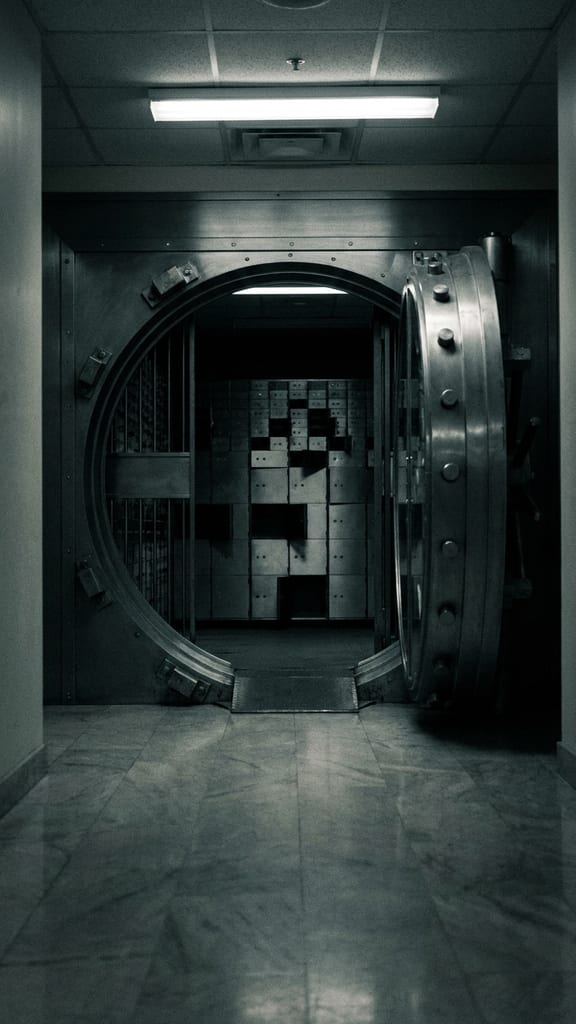
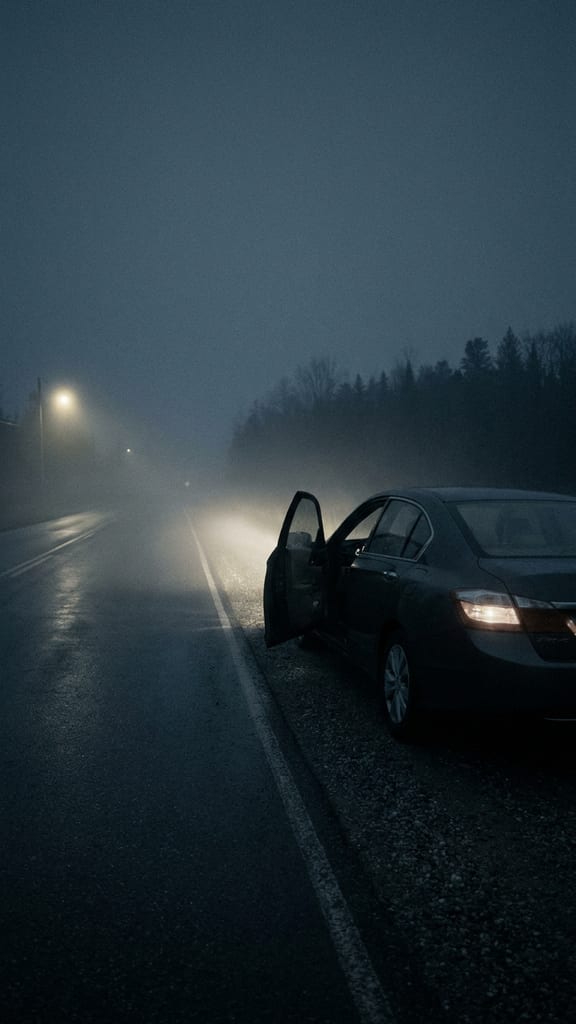
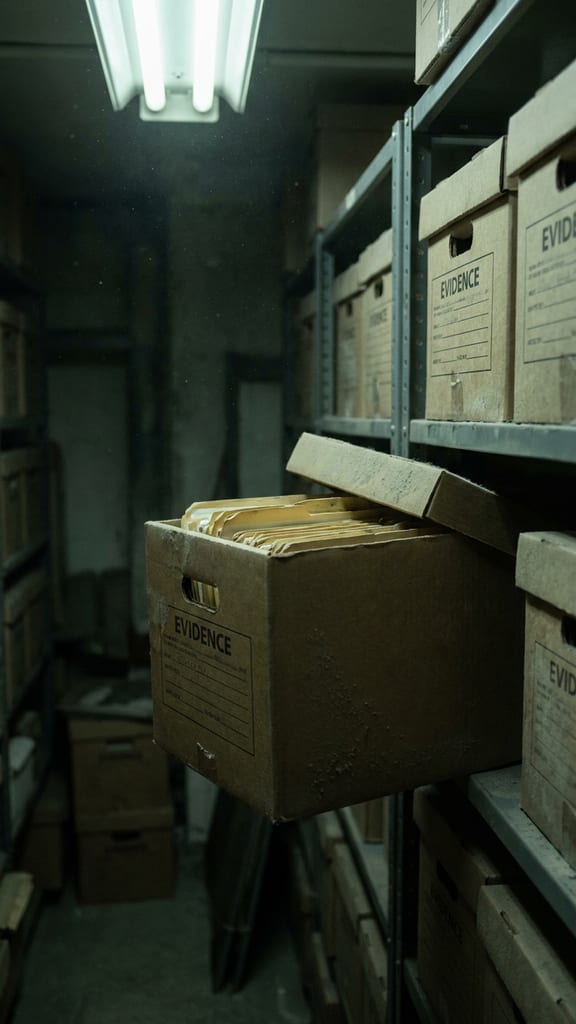
Pictures from the true crime template. Every case is invented.

| Case type | What the story follows | Example premise |
|---|---|---|
| Disappearance | Someone walks out of an ordinary day and never arrives | A woman left the diner and never arrived home |
| Cold Case | Decades later, one overlooked detail reopens everything | One frame from an old roll of film |
| The Con Artist | An identity built entirely out of paperwork | A man who invented an entire career on paper |
| The Heist | A theft so clean nobody noticed for years | A vault nobody checked on until too late |
| The One Who Got Away | The person who walked out and named what happened | The woman who got out and told someone |
Disappearance is the case type the template leads with: the open question at the start is what keeps people watching to the end.
How to Make an AI True Crime Video with GhostShorts
Six steps in the app, from your case to the finished video. Click any screenshot to see it full size.
- 1Describe your case
- 2Generate the storyboard
- 3Animate scenes
- 4Narration and music
- 5Captions
- 6Transitions and render
- Case typesDisappearance, Cold Case, The Con Artist, The Heist, The One Who Got Away
- CasesAlways invented, names and places included
- Length30, 45 or 60 seconds
- Scenes5 to 14, one narrated line each
- FormatVertical 9:16
- Script language16 to pick from on the first screen
- CaptionsWord by word, style and position you pick
How long should a true crime short be?
You pick the length before the case is written, and it sets the number of scenes. Each scene is one picture with one line of narration, so the length decides how many clues you can lay down before the reveal.
- 30 seconds5 to 7 scenesThe setup, one clue and the answer.
- 45 seconds8 to 10 scenesRoom for a false lead before the truth.
- 60 seconds11 to 14 scenesA full case: the night, the search, the break.
Fitting the case to the length
- Hold the answer backWhatever the length, put the reveal in the final scene. A case that answers itself early loses the viewer.
- Turn a big case into partsA disappearance and its cold-case reopening make two videos. End part one on the unanswered question.
Can You Post and Monetize AI True Crime Videos?
The videos you export are yours to post and monetize. YouTube and TikTok both ask creators to label AI-generated content and have a toggle for it at upload. Practical guidance, not legal advice: check each platform’s current terms.
Getting paid
Each platform has its own bar.
- YouTube: 1,000 subscribers plus 4,000 watch hours or 10M Shorts views in 90 days
- TikTok Creator Rewards pays only for videos over one minute
- Original cases beat recycled headlines
What the script writer keeps out
The rules that make the format safe to post.
- A real name or real case in your idea becomes an unrelated invented case
- No gore, no crime-scene remains, no real injury
- No real recent tragedies and no active missing-person cases
Making true crime shorts by hand vs GhostShorts
By hand, a true crime short means researching or inventing a case, writing the script, sourcing pictures for every beat, recording a narration and syncing captions. Here is how the two compare.
| Step | By hand | GhostShorts AI True Crime |
|---|---|---|
| Case | Research a real case and check every claim, or invent one | An invented case written from your idea and case type |
| Pictures | Archive photos with unclear rights, or stock images | A documentary-style picture for every scene |
| Motion | Keyframe zooms by hand | Animate the scenes you choose, the rest play as still pictures |
| Voiceover | Record yourself or hire a narrator | An AI narrator for the whole case |
| Captions | Sync by hand or use a separate tool | Word-level captions timed to the narration |
The research and rights work is where hand-made true crime gets slow and risky. Starting from an invented case removes both.
Tips for growing a true crime channel
The channels that grow keep a steady voice, post often and make every case feel like a file being opened.
Lead with the wrong detail
“Her car was still running when they found it” beats “This is the story of a missing woman.” The odd fact is the hook.
Give the case a date and a place
An invented town, a year and a time of night make a case feel like a file, not a fairy tale.
Keep one tone
Calm, documentary narration across every video builds trust. Sensational delivery cheapens the format.
Animate the break in the case
Spend your animation on the scene where the clue lands and let the setup play as still pictures.
Run a case-file series
Number your cases. Viewers who finish one go looking for the next, which lifts every video on the channel.
Cross-post everywhere
Post to YouTube Shorts, TikTok and Reels; results differ by platform. For a lighter story format to run alongside, try Reddit story videos.